

6 Components for a Butterfly Garden Paradise!

You can create your own backyard butterfly paradise. It can be as simple as a few potted plants on your deck or as complex as your whole yard. From a very manicured garden look to a wild native prairie, whatever style you like, you can have a butterfly paradise.
No yard will look the same, and they shouldn't because God created us all unique, so our gardens should be as unique as we are. But if you're like me, you may need some help getting started making a Butterfly Paradise.
1. Consider the butterfly's life cycle when planning your garden.
egg
caterpiller(larva)
Chrysalis (Pupa)
Butterfly
You need to make sure you have something in place for all the life cycles. Each butterfly will lay eggs and eat a specific host plant, like the Monarch butterfly on milkweed. Some butterflies are more generalized, meaning they do not need specific plants. So be ready to see caterpillars eating leaves on your beautiful plants and herbs.
Having multiple plants for each butterfly ensures food for each of the life cycles. For instance, the Monarch likes to lay their eggs on the milkweed plants but enjoys the Asclepias (butterfly weed) for its nectar source. Be aware that the milkweed can be a brute in the garden and push other plants out.
In Southeast Minnesota, wait until mid to late April to clean up your garden area, as butterflies can overwinter as eggs, pupae, adults, and various caterpillar stages this give the butterflies time to move out of the overwintering hideout. Also, make sure to have a place for the butterflies to go during a storm, like a butterfly house or a fence to protect them from the wind. Your house will work, too.
2. Butterfly gardens should be in full sun. Butterflies are insects, so they need the warmth of the sun to warm them up. Use a rock or other object for them to sun themselves on and warm up. This will be a nice addition for them. You may have seen a butterfly on a rock slowly moving its wings up and down. It is sunning itself and warming up.
3. Avoid pesticides, herbicides, and fungicides as they all can have a detrimental effect on the butterflies and insects, and accumulate in the plants that the butterflies and bees visit.
4. Have a water feature. You may have seen butterflies around the edge of a puddle; they are drinking and getting nutrients and salt needed for them to reproduce better. Males tend to puddle more, but females will too. It can be as simple as a bird bath with sand and rocks in it so that the butterflies have something to land on, a bowl or plate with water, or some mud. Having moving water will help keep mosquitoes away. If you have standing water, change it every 6 days so that you don't allow the mosquitoes to hatch.
5. Plant in clumps. Planting in groups of three or more gives the butterflies ample nectar, without having to fly around searching for more flowers. Groups of host plants for the butterflies to lay their eggs on will make sure that the larvae have enough food. The larger clumps also make it easier for the butterflies to find.

6. Have a flower blooming for as long as you can. From early spring to late fall. Butterflies prefer pink, purple, orange, yellow, and red flowers. Avoid double flowers as they may not have as much nectar for the butterflies. A large single flower, like Black Eyed Susans, or clump flowers like Yarrow, make a nice landing pad for butterflies. Butterflies seem to like flowers in the mint family. The nice thing about butterfly plants is that they can also double for hummingbirds. Here is a list of what we carry that will attract butterflies.
Annuals are nice as they have color all summer long. Agastache, Ageratum, Pentas, Vervena, Lantana, Cosmos, Salvia, Sweet Alyssum, Sunflowers, Zinnias, Guara, Gumphrena, Cuphea, and Cleome. Annuals also make a nice addition until your perennials are older and filled in.
Perennials are great because you don't have to replant them every year. However, the winters can be a bit hard on them if there is no snow cover and when it is very cold. Allium, Hollyhock, astilbe, Baptisia, Buddleia, mums, coreopsis, delphinium, Dianthus, Echinacea, lavender, Liatris, Monarda, Nepeta, Penstemon, Phlox, Rudbeckia, Salvia, Scabiosa(Pincushion flower), sedum, and Veronica.
Herbs can be enjoyed by the butterflies, too. Anise Hyssop, parsley, catnip, dill, Sage, Thyme, mints, Oregano, Rosemary, and Lavender. While researching butterfly plants, I realized I need to look into the caterpillar stage of the butterflies, so I know the difference between a pest and a butterfly caterpillar. I may have taken some caterpillars off my herbs, thinking they were pests.
Native plants are nice to have around, as they have evolved alongside butterflies over the years and are better equipped for our environment. I chose most of the Native plants for pollinators. The Blue Sage, Bradbury's Monarda, Wild Bergamot, Spotted Bee Balm, Prairie Phlox, Great Blue Lobelia, and Purple Coneflower.
Weeds like Dandelion, Queen Anne's Lace, Goldenrod, and thistles. (We don't sell these)
Even though we don't carry trees and shrubs, they are worth mentioning, as I never thought of them as a Butterfly plant. Trees are good for protection, nectar, and as a larval plant.

Now get started designing your own Butterfly Paradise. You can take all the plants you like and start digging, or if you would like more help, here are a couple of designs.
Remember, after you are done creating your backyard butterfly paradise, to Slow Down and spend some time watching the butterflies flit around.
Two Butterfly Garden designs by Maria.
Feature Butterfly Paradise Garden 6 feet by 12 feet. Creates a great focal point in your yard.
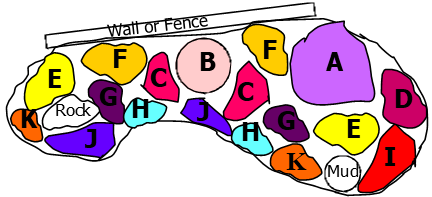
Mini Paradise Butterfly Garden

Butterfly Garden plants:
Perennials:
A-Buddleia (Butterfly Bush) Alternative: Asclepias (Butterfly Milkweed)
B-Eupatorium (Joe-Pye Weed) Alternative: Aster
C-Dianthus Bouquet series Alternative: Garden Phlox
D-Echinacea (Cone Flower) Alternative: Mammoth Mum
E-Coreopsis (Tickseed)
F-Rudbeckia (Black-eyed Susan)
G-Scabiosa (Pin-cushion flower)
H-Sedum (Stonecrop)
Annuals (need to replant each year):
I-Pentas
J-Verbena
K-Lantana


Account access can become confusing when users are unsure whether they need to register first or sign in with existing details. While researching Tiranga game login, I would look for clear instructions explaining the process and the available recovery options. It is important to use the correct website and keep login credentials private. Verification codes should never be shared with another person. A few careful checks can help users avoid common mistakes and protect their accounts when accessing an unfamiliar online platform.
Family involvement can provide meaningful support when appropriate and welcomed by the individual receiving treatment. Education and communication can help loved ones better understand recovery, boundaries, and healthy ways alpinestars suits to offer encouragement. Family-focused sessions may address communication patterns and expectations while supporting healthier relationships. Not every situation requires the same level of family participation, so treatment plans should remain individualized. Positive support from trusted people can complement professional care and encourage continued progress.
I read the article about the weekend weather for October 20th on ODG, and it gives a good sense of autumn conditions in the Lake District. While it looks like it will be a bit cooler and cloudier, there's still a chance for drier periods perfect for walks and outdoor activities if the weather avoids heavy rain or storms. The article notes that it may be possible to avoid the worst effects of storms and Shoyoroll Gi enjoy the weekend mostly without serious weather problems, Leather Motorcycle Jackets although higher elevations could be windy and chilly. This is useful information for anyone planning trips, hikes, or outdoor time, as warm clothing and waterproof shoes will be helpful, but in some…
The tips for creating a butterfly paradise are both practical and inspiring, especially for anyone wanting to improve their garden. I tried planting a few nectar-rich flowers once and was surprised when butterflies actually showed up. At the same time, managing coursework made me think about whether I should pay someone to do my class for me just to enjoy the process more. Nature really rewards patience.